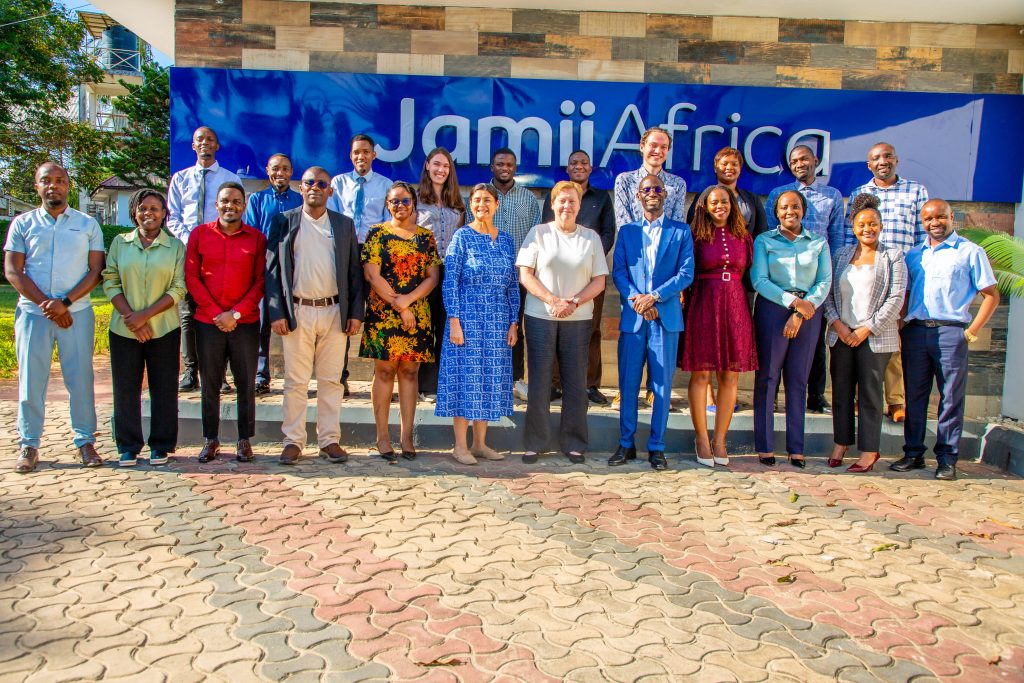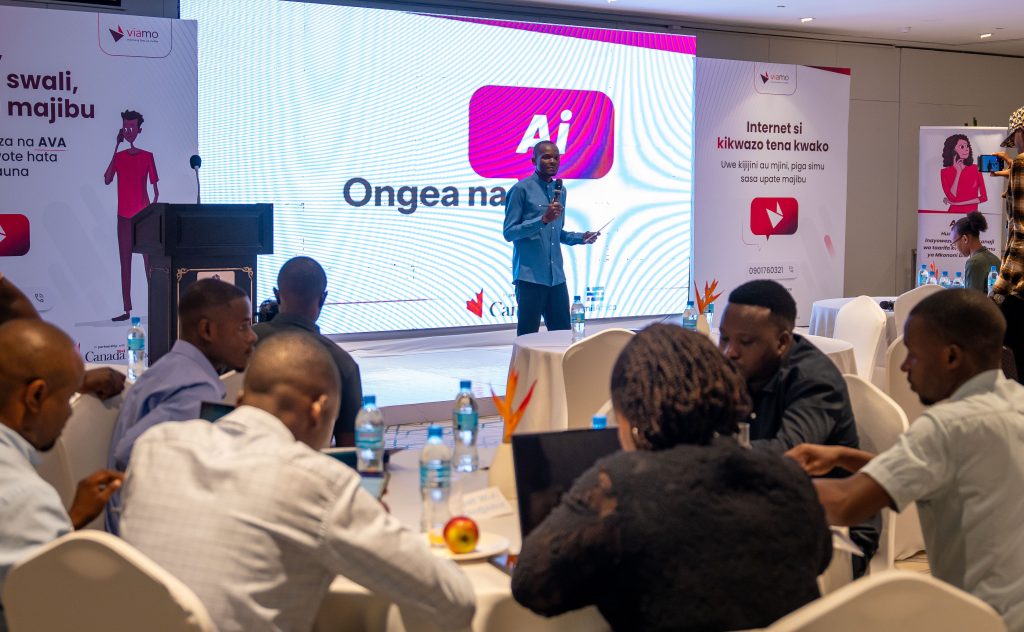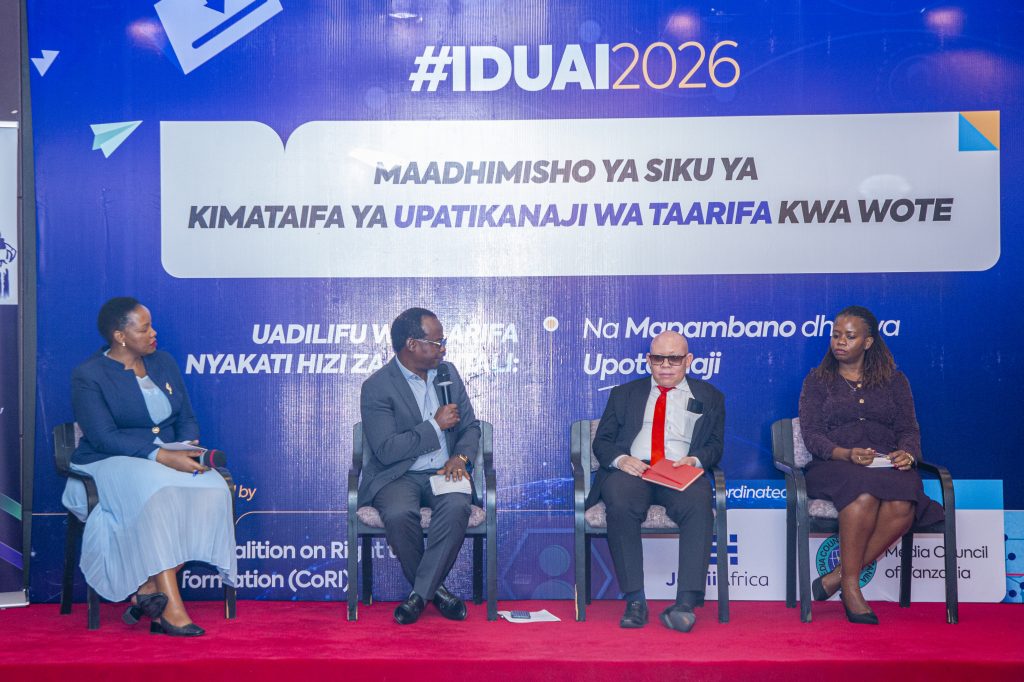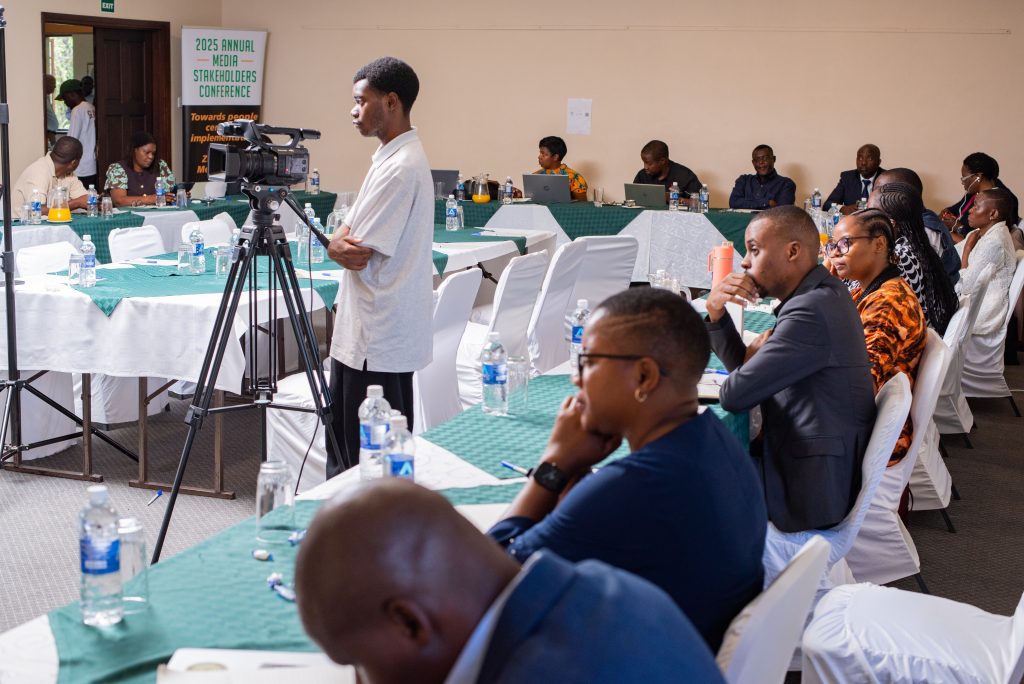
On April 30, 2026, JamiiAfrica, in collaboration with the Media Alliance of Zimbabwe, co-hosted the Zimbabwe News Media Investment Indaba in Harare under the theme “Sustainable Journalism in the Age of AI and Digital Disruption.” The Indaba convened key stakeholders to address the growing sustainability crisis facing Zimbabwe’s news media sector.
Zimbabwe’s media industry is operating in a complex “polycrisis” marked by declining revenues, shrinking audiences, newsroom closures, operational downsizing, and delayed or nonpayment to journalists and media practitioners. These challenges are especially severe for private media institutions, newly licensed house media, and community radio initiatives, many of which continue to struggle to achieve financial sustainability in an increasingly fragmented digital ecosystem.
Recognizing that these challenges cannot be addressed in isolation, the Media Alliance of Zimbabwe and other stakeholders emphasized the importance of regional collaboration and knowledge exchange. This created an opportunity to engage established regional actors, such as JamiiAfrica, which has successfully navigated similar digital transformation and sustainability challenges across East Africa and continues to expand its footprint in Kenya, Uganda, Rwanda, and Zimbabwe.
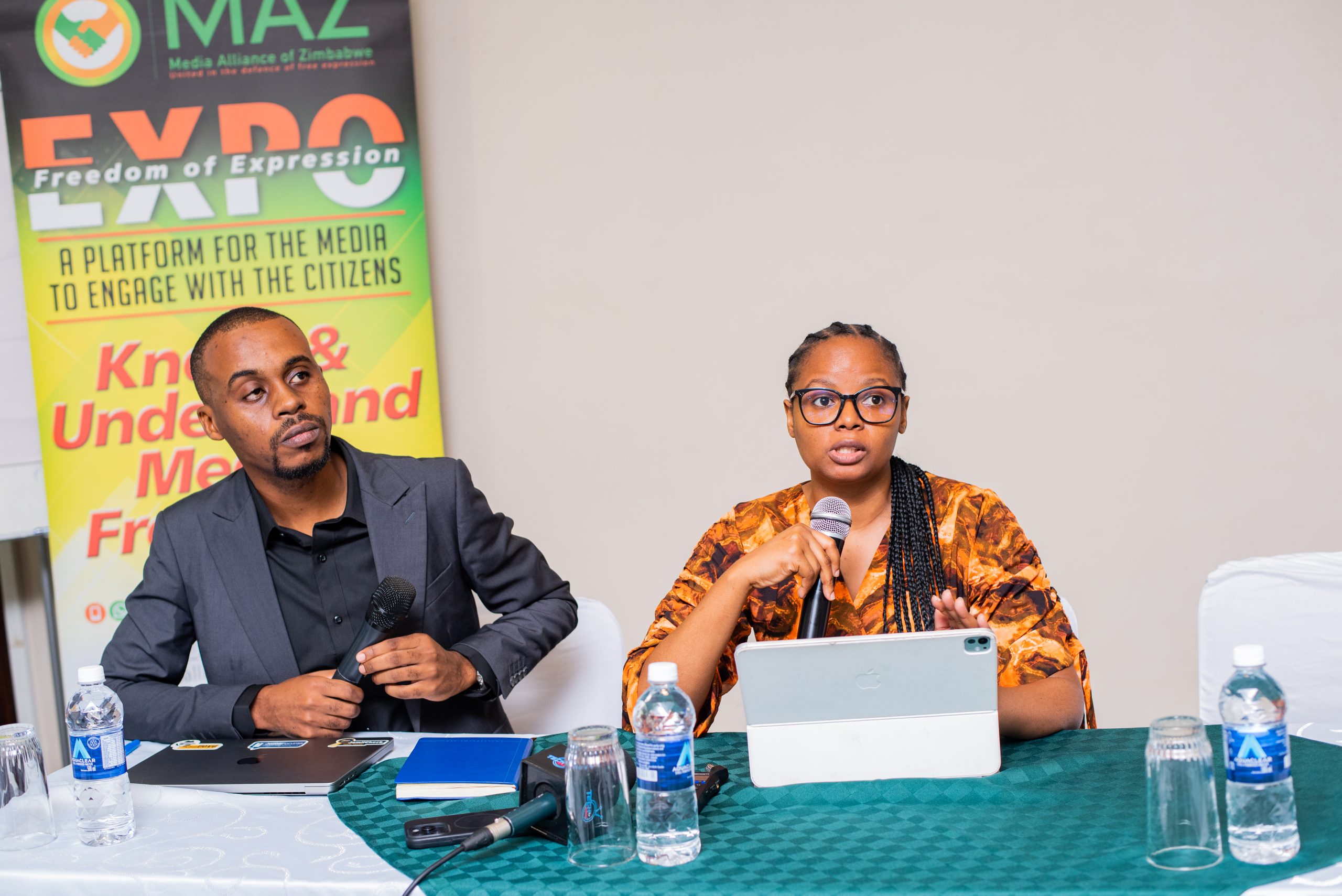
The Indaba drew a diverse group of participants, including representatives from the Ministry of Information, Publicity and Broadcasting Services; the Zimbabwe Union of Journalists; the Zimbabwe Media Commission; the Africa Media Convention; Members of Parliament; media houses; and the Content Creators Association of Zimbabwe.
During the discussions, JamiiAfrica shared its expertise in building resilient, community-driven digital platforms that foster trust, encourage civic participation, and resist censorship. The organization contributed insights on strengthening digital resilience and platform credibility, adopting AI ethically and responsibly within media institutions, protecting digital rights and freedom of expression, and integrating online engagement with offline, community-centered initiatives.
JamiiAfrica also used the platform to position itself as a regional leader in digital public-interest infrastructure and democratic participation. Through the Indaba, the organization aims to establish long-term partnerships with state and non-state actors in Zimbabwe, contribute to conversations on digital policy and press freedom, and identify opportunities to pilot initiatives such as the “Jamii Digital Democracy Hub” and “Stories of Change” in Zimbabwe’s media ecosystem.
For JamiiAfrica, participation in the Indaba aligned directly with its Operational Expansion Strategy, which focuses on building strategic partnerships across Africa to strengthen informed citizenship, digital participation, and access to credible information. JamiiAfrica’s engagement was guided by its broader mission to build inclusive digital communities and support resilient, trusted information ecosystems. The organization also sought to transition from ad hoc support initiatives to structured regional knowledge transfer and long-term ecosystem collaboration.
Overall, the Indaba marked an important milestone in strengthening regional cooperation on media sustainability, digital transformation, and democratic participation in Southern Africa.