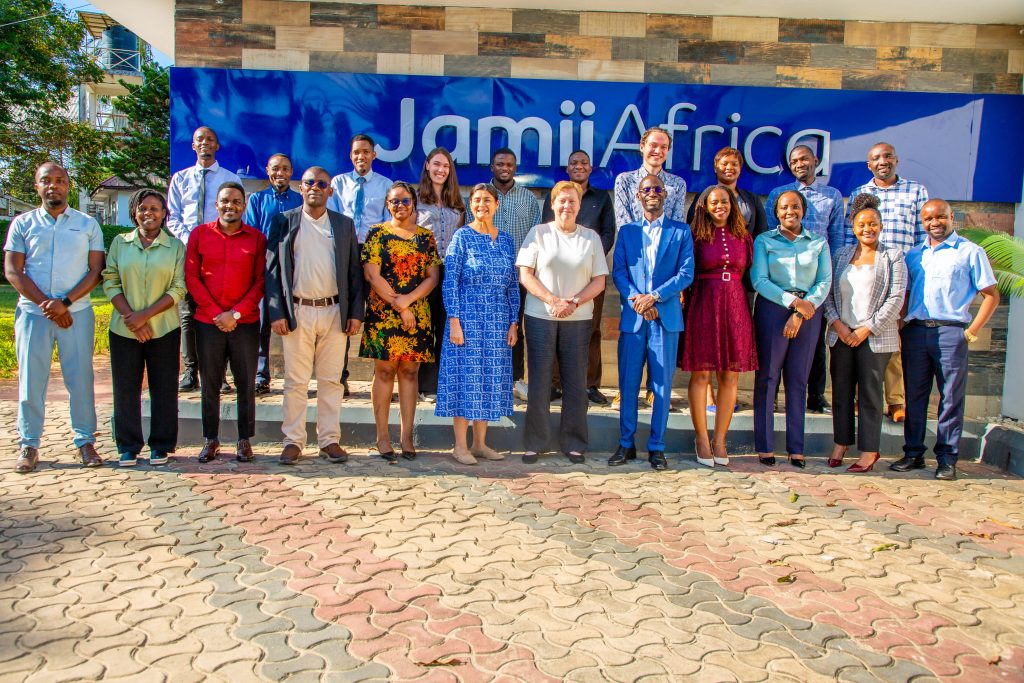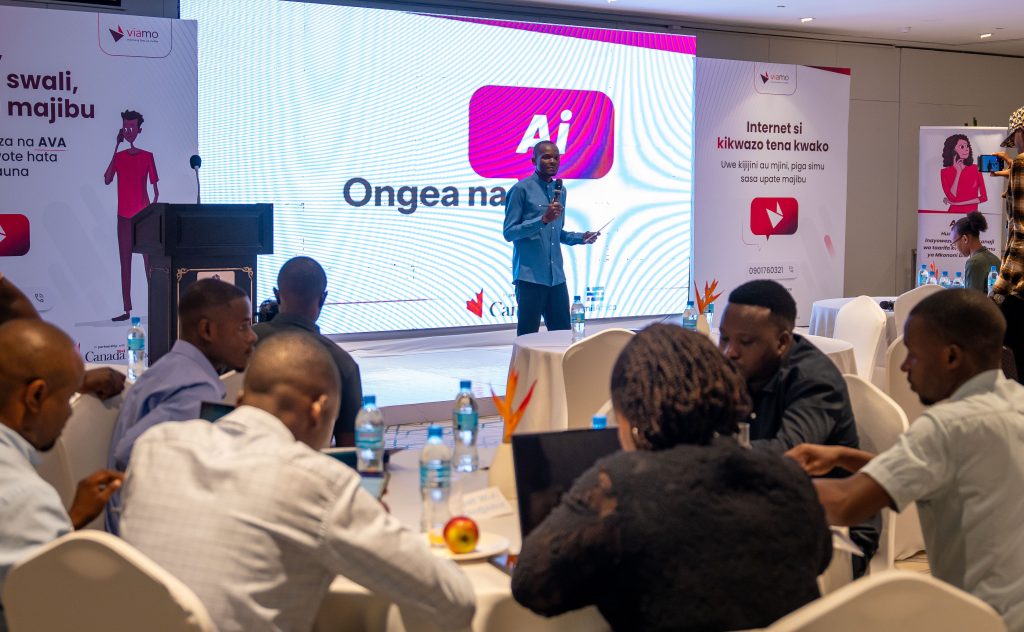
On 28–29 May 2026, JamiiAfrica participated in a two-day workshop organized by Tech & Media Convergence (TMC) in partnership with the Internet Governance Tanzania Working Group (IGTWG) at the Four Points by Sheraton Hotel in Dar es Salaam. As a civic technology organization, JamiiAfrica underscored the importance of equipping citizens and communities with the knowledge and skills needed to adapt to emerging technologies, particularly artificial intelligence (AI), while tackling the growing challenge of misinformation to strengthen digital democracy and governance.
The workshop brought together civil society organizations, digital rights advocates, researchers, legal experts, policymakers, and media practitioners to discuss Tanzania’s digital future. Participants explored key issues including AI, misinformation, cybersecurity, surveillance, data protection, digital inclusion, and internet governance, with a strong focus on promoting a rights-based and inclusive digital ecosystem.
A key takeaway was that cybersecurity is increasingly a human challenge rather than solely a technical one. Participants emphasized that digital literacy, cybersecurity awareness, and critical thinking are essential for helping citizens navigate today’s digital environment. Discussions also highlighted the need for Africa to strengthen its digital sovereignty by developing locally relevant AI systems, protecting citizens’ data, and ensuring digital technologies reflect African languages, values, and realities.
Participants further stressed the need for stronger legal and institutional safeguards to protect privacy, promote transparency, and ensure accountability. They cautioned that AI-powered systems could deepen existing social and economic inequalities if they are not designed with inclusion in mind, particularly for women, youth, rural communities, persons with disabilities, and other marginalized groups.

Speaking during the workshop, JamiiAfrica representative Adv. Tryphone Rwezahura noted that digital colonialism continues to shape Africa’s digital landscape, as most widely used digital platforms are developed and owned by foreign companies. He warned that heavy reliance on these platforms exposes African users to information and AI biases that may not adequately reflect local contexts or priorities. He encouraged participants to support and prioritize locally developed digital platforms, citing JamiiForums as an example of a platform rich in local content and well-positioned to address the diverse needs of Tanzanian and African users.
The discussions closely aligned with JamiiAfrica’s mission to empower citizens through trusted digital platforms such as JamiiForums, JamiiCheck, and Fichua Uovu 2.0. The workshop also identified opportunities to expand digital literacy initiatives, strengthen efforts to combat AI-generated misinformation, enhance collaboration on digital policy, and improve protections for whistleblowers and civic reporters.
The workshop concluded that building an inclusive, secure, and democratic digital future requires sustained collaboration among government, civil society, academia, the private sector, the media, and citizens.