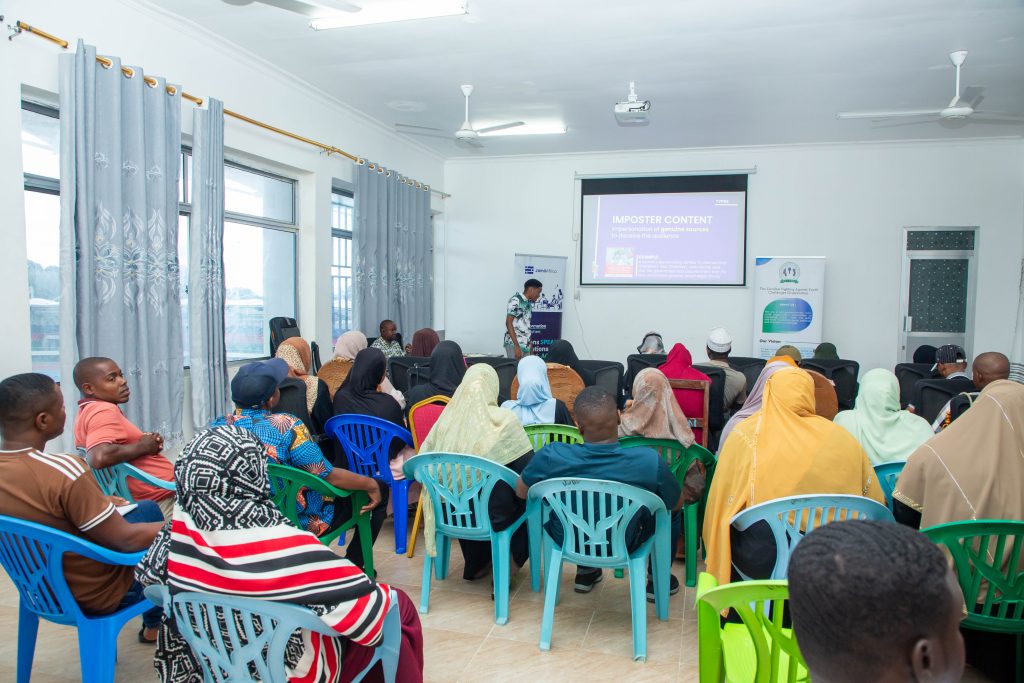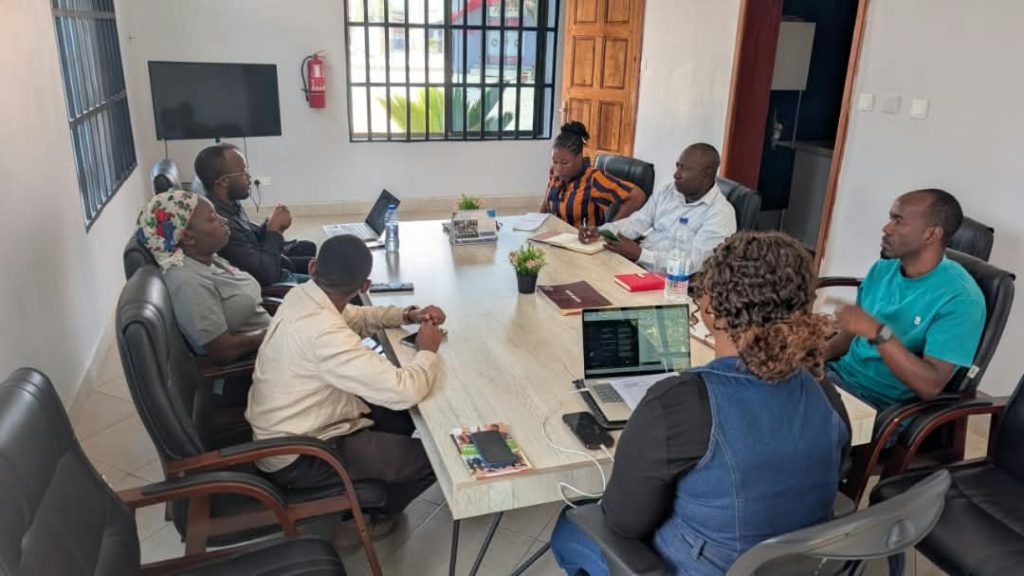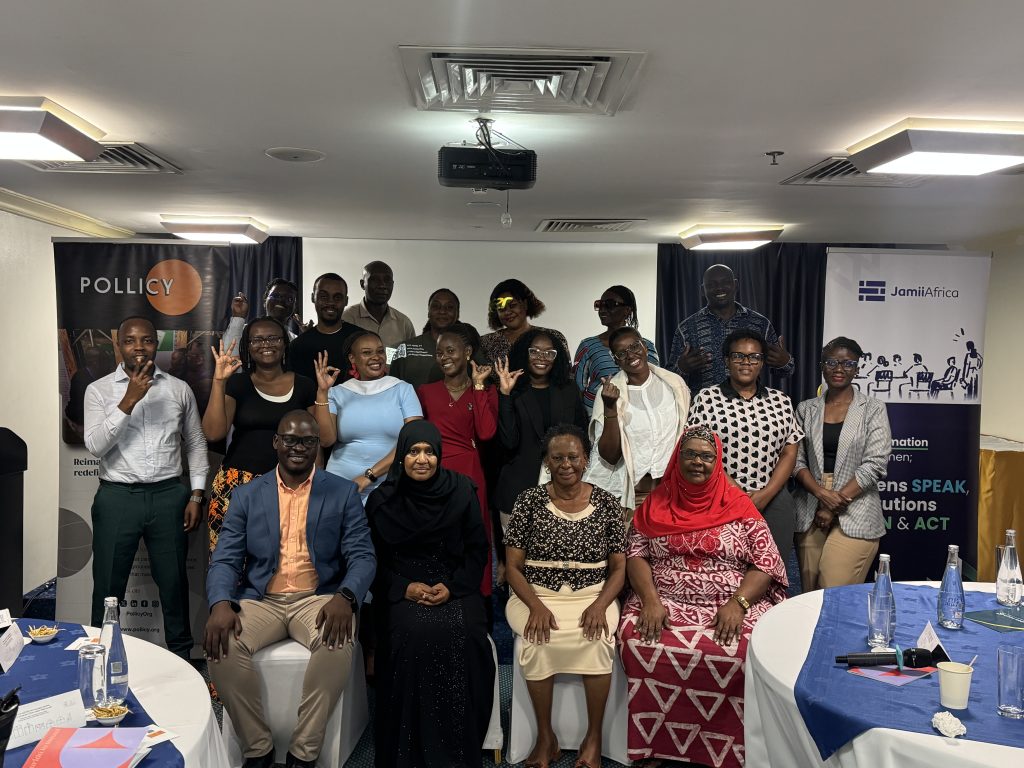
On 6–7 October 2026, JamiiAfrica and Pollicy convened a two-day boot camp in Dar es Salaam to strengthen a coordinated national response to Technology-Facilitated Gender-Based Violence (TFGBV) in Tanzania.
TFGBV includes online hate speech, gendered disinformation, doxxing, cyberstalking, non-consensual sharing of intimate images and AI-generated deepfakes. Women in public life, particularly leaders, journalists and human rights defenders, are among the most affected. JamiiAfrica’s social media analysis for April–June 2026 found that 85% of reported TFGBV incidents targeting women leaders involved image-based abuse and deepfakes. Pollicy’s research, The Cost of Candidacy, further highlights the psychological, reputational and physical risks associated with such attacks.
Despite existing cybercrime laws, specialised police units and national coordination mechanisms, responses remain fragmented. Current laws also lack specific provisions addressing TFGBV, leaving survivors to navigate complex systems largely on their own.
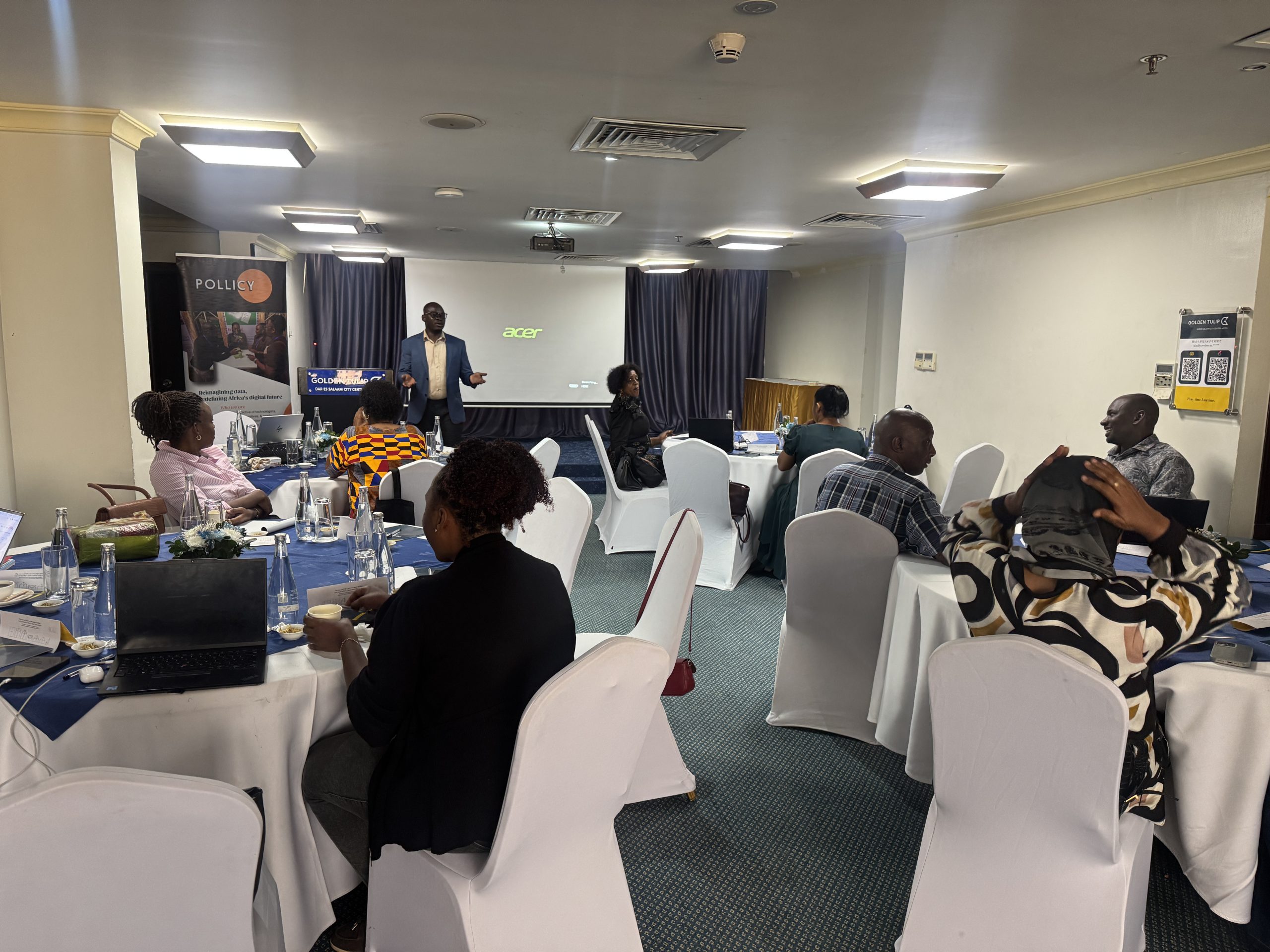
The boot camp brought together government ministries and regulators, police, judicial institutions, civil society organisations, media, academia, political parties, the private sector, informal support networks and development partners, including UNESCO. Participants shared evidence, assessed existing responses and identified institutional and policy gaps.
Key challenges included inadequate legal provisions for AI-enabled abuse, difficulties investigating anonymous and cross-border perpetrators, limited capacity to handle digital evidence, fragmented and underfunded survivor support, harmful media reporting, the absence of political party codes of conduct on online violence, and limited transparency in platform moderation. Participants emphasised Safety by Design—integrating protection from the outset—as a guiding principle for future interventions.
The engagement resulted in a joint action plan titled From Individual Burden to Systemic Accountability against TFGBV. Under the plan, JamiiAfrica and Pollicy will co-anchor the Say No to TFGBV campaign and support the development of training curricula. Participants were also invited to join the UNESCO-supported Technical Working Group on TFGBV to strengthen coordination and implementation.
The plan further emphasises that reforms must protect civic space, prevent retaliation against survivors and safeguard their personal data.
These efforts align with JamiiAfrica’s Strategic Plan 2025–2030, which prioritises monitoring online gender-based violence and advocating for digital safety at national, regional and continental levels. Successful implementation will require shared resources, sustained engagement with digital platforms and long-term efforts to address harmful social attitudes.
The message is clear: Justice for survivors of TFGBV should not depend on an individual’s ability to fight back. It must be built into the system.